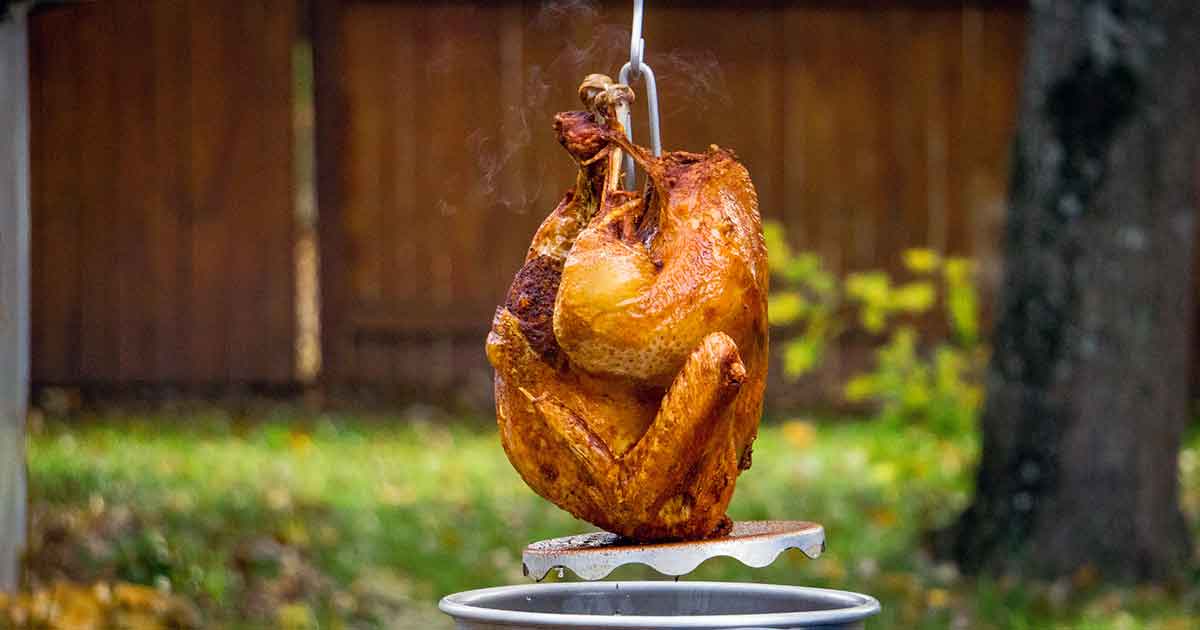
Deep-fried turkey has earned its place as a holiday showstopper, transforming an ordinary bird into a culinary masterpiece with crispy, golden skin and unbelievably juicy meat. For many, it's the undisputed king of Thanksgiving, often replacing traditional roasting for its speed, flavor, and the sheer delight it brings to the table. Imagine a turkey so succulent it practically melts in your mouth, encased in skin as crisp as a potato chip, all while freeing up your oven for those essential side dishes. It's an experience that, once tried, is hard to forget.
However, the magic of deep-frying comes with a crucial caveat: it's an inherently dangerous cooking method if not approached with the utmost care and respect. Heating gallons of oil to high temperatures with a powerful propane burner demands vigilance and adherence to strict safety protocols. This guide is designed to empower you with the knowledge and confidence to achieve a delicious, risk-free deep-fried turkey, ensuring your holiday celebrations are memorable for all the right reasons.
The Irresistible Appeal of Deep Fried Turkey
Why do so many chefs and home cooks swear by the deep-fried turkey? The reasons are as compelling as the results are delicious.
Why Deep Fry? Beyond the Bragging Rights
- Unparalleled Juiciness and Crispy Skin: This is arguably the primary draw. The rapid, high-heat cooking method of deep frying locks in moisture, preventing the meat from drying out, while simultaneously rendering the skin incredibly crisp and flavorful – a texture often described as "potato-chip crisp." This is a stark contrast to roasted turkeys, which can sometimes emerge with dry breasts and less-than-crispy skin. To understand more about this unique culinary effect, explore Unlock Max Flavor: Why Deep Frying Delivers the Juiciest Turkey.
- Faster Cooking Time: While the overall process (including oil heating and cleanup) might not be quicker than roasting, the actual cooking time for a deep-fried turkey is significantly shorter. A large bird can be perfectly cooked in under an hour, freeing up valuable oven space for casseroles, pies, and other holiday favorites.
- Flavor Infusion: Deep-fried turkeys are often prepped with powerful flavor boosters. A good wet brine, like the one used for both smoked and spatchcocked turkeys, adds moisture and seasoning deep into the meat before it even touches the oil. Injecting the turkey with a rich Creole butter blend, often spiced with Cajun or homemade Soul Dust seasoning, infuses layers of bold, Southern-inspired flavor throughout the bird, ensuring every bite is packed with taste.
- The Centerpiece Factor: Let's face it, a perfectly deep-fried turkey isn't just a meal; it's a spectacle. It consistently steals the show, eliciting gasps of delight and immediate requests for seconds, making it the undeniable star of any holiday table.
Prioritizing Safety: Essential Precautions for Deep Frying
While the rewards of a deep-fried turkey are great, the risks of improper technique are severe. Your primary goal is to minimize these risks through careful planning and strict adherence to safety guidelines. Remember, deep-frying a turkey is an inherently dangerous undertaking, but with the right precautions, it can be done safely.
Setting Up for Success: Location and Equipment
- Outdoor Use ONLY: Never, under any circumstances, use an outdoor turkey fryer indoors, in a garage, on a porch, or under any covered or enclosed space. The risk of fire and carbon monoxide poisoning is too high.
- Stable, Level Surface: Place your fryer on a completely flat, non-combustible surface like concrete or dirt, far away from any structures, railings, dry leaves, or other flammable materials. Avoid wooden decks or uneven ground where the fryer could tip.
- Clear the Area: Establish a wide safety perimeter around your frying setup. Children and pets should be kept far away from the hot oil and burner. Remind guests to maintain a safe distance.
- Read Manufacturer Instructions: This cannot be stressed enough. Always read and follow all manufacturer's instructions and warnings included with your deep fryer. These instructions take precedence over any general advice if they differ.
- Proper Oil Level: Before heating, perform a water test. Place the turkey in the empty pot and add water until it covers the turkey by 1-2 inches. Remove the turkey, mark the water level, then pour out the water and dry the pot thoroughly. This shows you the precise oil volume needed to avoid dangerous overfilling once the turkey is added.
Oil, Turkey, and Temperature Management
- The Dry Turkey Rule: This is perhaps the most critical safety tip. The turkey must be completely thawed and bone-dry, inside and out. Any water (even ice crystals) introduced into hot oil will instantly vaporize, causing the oil to violently boil over and potentially erupt into a dangerous fireball. Pat the turkey thoroughly with paper towels immediately before frying.
- Maintain Correct Oil Temperature: The ideal frying temperature is typically between 325-350°F (163-177°C). Use a reliable deep-fry thermometer to monitor the oil temperature constantly. If the oil gets too hot, carefully reduce the heat; if it drops too low, increase the heat gradually.
- Slow and Steady Immersion: Once the oil is at temperature, turn off the burner before slowly and carefully lowering the turkey into the hot oil using the lifting hook and an oven mitt. This minimizes splatter risk. Once submerged, re-light the burner.
- Never Leave Unattended: Responsible turkey fryers do not leave the setup unattended for any reason. This requires your full focus. If you're in a colder climate, bundle up or arrange for someone to relieve you so you don't have to go inside.
Personal Safety and Emergency Preparedness
- Dress for Safety: Wear long pants, closed-toe shoes, and potentially long sleeves to protect against oil splatters. Heat-resistant gloves and safety glasses are also highly recommended.
- No Alcohol and Frying: This is a non-negotiable rule. Alcohol impairs judgment and reaction time, which are critical faculties needed when operating a deep fryer. Save the celebratory drinks for after the turkey is safely out of the oil.
- Fire Extinguisher on Hand: Keep a Class B or K fire extinguisher nearby. These are designed for grease fires. Never use water on a grease fire; it will only make it worse. If a fire occurs, immediately turn off the propane supply, if safe to do so, and use the appropriate extinguisher.
Achieving Deep Fried Turkey Perfection: Tips for Flavor and Texture
Once you've mastered the safety aspects, focusing on flavor and texture will elevate your deep-fried turkey to legendary status.
Preparation is Key: Brine, Injection, and Dryness
- The Power of Brining: A good wet brine is the secret weapon for a truly moist and flavorful bird. It infuses the turkey with salt, sugar, and aromatics, ensuring moisture retention and seasoning down to the bone. This step is crucial for an incredibly juicy result.
- Flavor Injection: Beyond brining, injecting the turkey with a savory liquid like Creole butter or a seasoned broth takes flavor to the next level. This method bypasses the skin, delivering deliciousness directly into the meat. Feel free to use store-bought blends or create your own with butter, herbs, and Cajun spices.
- The Critical Dryness Factor: We mentioned it for safety, but it's equally important for quality. A bone-dry turkey ensures that the skin fries up extra crispy and golden, without steaming. After brining, pat the turkey thoroughly dry, and for best results, allow it to air-dry in the refrigerator for several hours or even overnight.
Cooking Time and Doneness
- General Rule of Thumb: Deep-fried turkey generally cooks at a rate of about 3-4 minutes per pound. So, a 12-pound turkey might take 36-48 minutes. This is just a guideline; your thermometer is your true guide.
- Internal Temperature is King: For food safety, the deepest part of the turkey thigh (without touching bone) should reach 165°F (74°C). The breast meat often cooks faster, and while it's safe at 165°F, some experienced fryers aim to pull the turkey when the breast registers slightly lower (e.g., 155-160°F) to account for carry-over cooking, ensuring maximum juiciness while still reaching a safe temperature after resting. For beginners, aiming for 165°F in both areas is the safest and simplest approach. Always use a reliable, instant-read meat thermometer. You can find a detailed step-by-step process, including temperature guides, in The Ultimate Deep Fried Turkey: Juicy, Crispy, & Safe Thanksgiving Recipe.
After the Fry: Resting and Oil Disposal
- Resting is Essential: Once the turkey reaches its target temperature, carefully lift it from the oil and place it on a wire rack set over a baking sheet to drain. Tent it loosely with foil and allow it to rest for at least 20-30 minutes before carving. This allows the juices to redistribute, ensuring a tender, moist bird.
- Proper Oil Disposal: Do not pour used cooking oil down the drain; it can clog pipes. Allow the oil to cool completely (this can take several hours). Once cool, strain it to remove food particles and store it in its original containers or other sealable containers. Many local recycling centers or waste management facilities accept used cooking oil.
Deep-frying a turkey is an exciting and rewarding culinary adventure that yields truly spectacular results. By meticulously following safety guidelines, preparing your turkey with care, and understanding the cooking process, you can confidently create a holiday centerpiece that will be remembered for its incredible flavor and perfect texture. Approach it with respect, prioritize safety above all else, and you'll be well on your way to enjoying the most delicious, risk-free deep-fried turkey your family and friends have ever tasted.
